 Musa
MusaDespite playing in a division that’s often billed as one of the most competitive in the world, Leicester City have had an alarming number of games this season that have been non-contests.
This was yet another. It wasn’t 3-0 at half-time on this occasion, but had it been, few faces inside Bramall Lane would have shown shock. The first period was one-way traffic.
The second half, bar the 10 minutes immediately after Louis Page and Jeremy Monga were introduced, was very similar.
It’s rare there are victories this routine in the Championship and yet City have been the defeated side in a few such games this season now.
But fixtures will be one-sided when one of the teams involved can’t keep the ball, don’t win 50-50s, can’t defend their box, and look clueless as to how to attack. Unfortunately, that was all true of City’s display at Sheffield United.
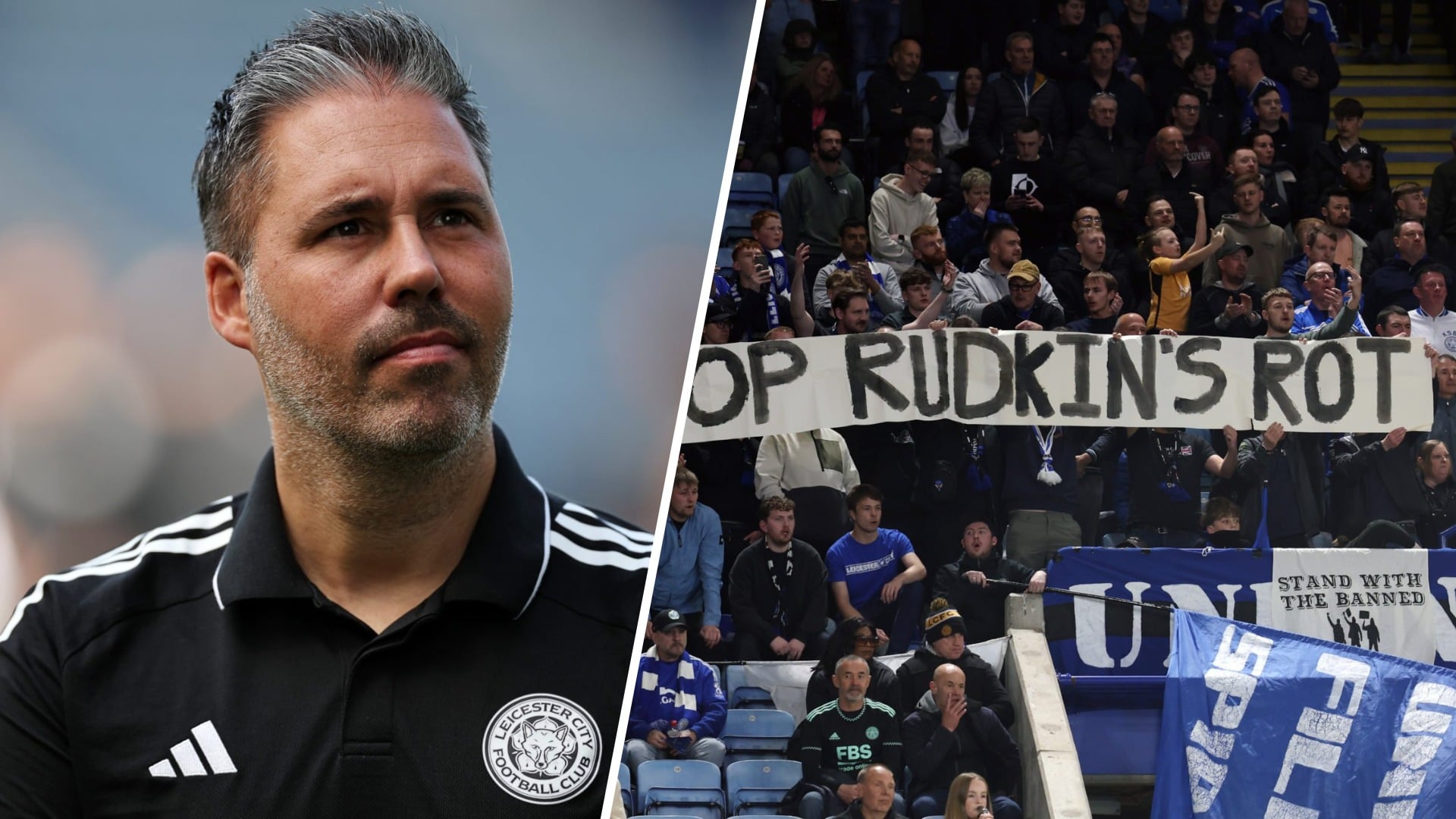
In the defeat to the Blades at the end of November, chants of “sacked in the morning” were heard for the first time from City fans, and they were present again on New Year’s Day.
There were two short bursts and not taken up by all of the travelling City fans, but they were audible.
Cifuentes sounded optimistic of swinging the mood when the chants first emerged, saying in November: “It’s not the first time I’ve had this song before. Fortunately for me, I’ve always got the confidence to turn things around because that’s what I’ve done in different clubs in different countries.”
Seven games on, there’s no progress. Or if there was – and it did seem like there had been at the start of December – then City have taken steps back again.
Cifuentes is not complaining about the atmosphere among supporters – “they have every right to express their frustration,” was his response this time – but he’s never going to win fans over with performances like this.
City don’t look this bad in every game, but they’ve looked this bad often enough that it’s a concern for their Championship future, if not the future of the manager.
Three reasons why Cifuentes is zoning in on individual errors
In this long 19-game streak in which City have failed to keep a clean sheet, Cifuentes has tended to resist describing goals his side let in as “individual mistakes”.
Sometimes, they aren’t, of course. But even when they have been, he’s not wished to put focus on any particular player.
Even when Jakub Stolarczyk gave the ball straight to Ipswich for their goal last month, he said there were mistakes elsewhere that needed to be analysed, talking about the “small movements of Oliver Skipp”.
But after the defeat to Sheffield United, he zoned in on individual mistakes. He wouldn’t go as far to name the individuals, but he did hammer home the point.
“There were three individual mistakes in the three goals that cost us,” he said. “We need more personality.”
He later added: “In the first half there was a mistake at the set-play, both in the marking and in the six-yard box. The second and third were individual mistakes.
“It’s a disappointing performance. You need to be ready to deliver again and again at 110 per cent without making individual mistakes.”
So who made those mistakes? Jordan James is perhaps most culpable for the first. He lost the run of Japhet Tanganga at the corner.
For the second, Luke Thomas is beaten all ends up by Andre Brooks before the ball is cut back to Tom Cannon.
For the third, it’s not entirely clear who might be at fault individually. Maybe Thomas again, with the full-back perhaps opening up too big a gap for the pass to find Femi Seriki, who crossed for Callum O’Hare.
It feels a bizarre time to focus on individual mistakes, for a number of reasons. Firstly, there are question marks about a number of players for each of the goals.
For the first, it may have been James who lost the run, but could Stolarczyk have claimed the corner into his six-yard box? He took a step to come and then backtracked.
For the second, Skipp’s over-committed on the slide, while Cannon is open at the edge of the box. Surely somebody’s not doing their job to not pick him up?
For the third, could Hamza Choudhury have been out quicker to Oliver Arblaster to stop the pass into the box? Was Ben Nelson’s positioning good enough?
Secondly, it was not as if these were the only three attacks the Blades had. They were totally dominant. Had they not scored from these opportunities, they’d have kept pushing for more.


 Musa
Musa