 Musa
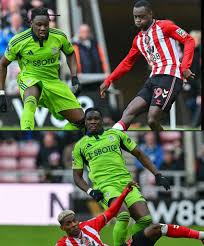
MusaWhile the general consensus is that Sunderland fell short against Fulham and as such were the architects of their own downfall, there has been frustration at the award of the penalty which saw the visitors score a crucial second goal.
Not necessarily with the decision to penalise Brian Brobbey for a holding offence on Calvin Bassey, but that the latter was not ruled to be offside despite the replays appearing to show him ahead of the Sunderland defence when the free kick was struck. In this piece written after the game, we explained that the Premier League match centre had confirmed offside was not taken because the holding offence was committed before any offside offence. In turn, that has led many fans to fairly ask: How can Bassey not be active and interfering with play when the ball is struck? The explanation lies in the offside law as set out by IFAB, who determine the laws of the game. Whether the law itself is a good one is a matter of debate, but the view from PGMOL is that it was correctly applied in this instance.
Law 11.2 of the game, relating to offside offences, clarifies that a player is penalised for offside only when they become involved in active play through the following:
– interfering with play by playing or touching a ball passed or touched by a team-mate or interfering with an opponent by: preventing an opponent from playing or being able to play the ball by clearly obstructing the opponent’s line of vision, challenging an opponent for the ball, clearly attempting to play a ball which is close when this action impacts on an opponent or making an obvious action which clearly impacts on the ability of an opponent to play the ball.
So the first step of the process is to establish that Brobbey’s foul takes place once the ball has been kicked, as we have from previous Sunderland games that a foul cannot be forgiven beforehand. From there, offside only becomes a consideration only if the officials believe Bassey has touched the ball or is challenging for the ball when the foul occurs. In this case, they clearly decided (rightly or wrongly) that this was not the case.
Further guidance is set out in IFAB’s Q&A section of the laws, which states the following:
“Q: A player in an offside position is moving towards the ball with the intention of playing the ball and is fouled in the penalty area before playing the ball or challenging an opponent for the ball. What is the referee’s decision? A: It is a penalty kick. The foul is penalised as it has occurred before the offside offence.”
It’s this advice that officials will say they were following in awarding Fulham their penalty.


 Kwaghterna Garshagu
 Musa
Musa