 Musa
MusaIn the intricate ecosystem of Premier League recruitment, the most coveted commodities are often the ones that combine raw potential with proven production at a young age. Wolverhampton Wanderers, a club that has built its modern identity on savvy scouting and the development of Portuguese-speaking talent, now find themselves at a crossroads. The appointment of Rob Edwards as manager signals a philosophical shift—a move toward progressive, front-foot football built on energy, athleticism, and tactical clarity. And in the search for players who fit that mold, few profiles are as intriguing as that of Patrik Mercado.
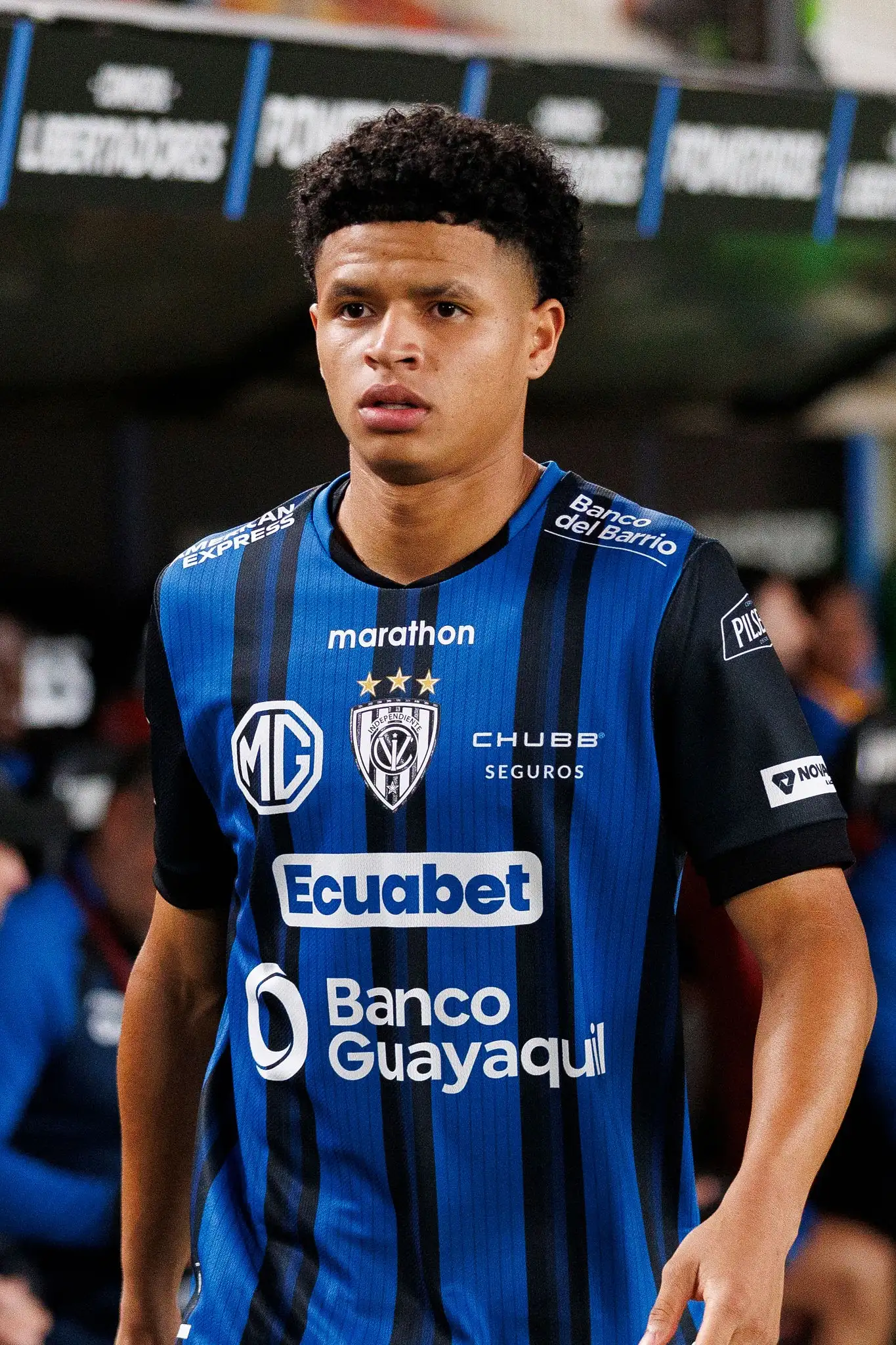
The 18-year-old Ecuadorian midfielder, currently plying his trade at Independiente del Valle—one of South America’s most respected talent factories—has emerged as one of the most exciting young prospects on the continent. A technically gifted central midfielder with the ability to dictate tempo, break lines with incisive passing, and contribute defensively with a work rate that belies his age, Mercado represents the archetype of the modern box-to-box midfielder. For Wolves, a club seeking to inject youth, energy, and technical quality into their engine room, he is a tantalizing target.
But what would it actually take for Wolverhampton Wanderers to pry Patrik Mercado away from Independiente del Valle under the stewardship of Rob Edwards? Here are the terms and conditions that would need to be met for this transfer to materialize.
- The Financial Architecture: Navigating the Independiente del Valle Premium
The first and most significant hurdle in any negotiation for Patrik Mercado is understanding the unique financial ecosystem of Independiente del Valle. Unlike many South American clubs that sell under financial duress, Independiente del Valle have built their reputation on a sustainable model of development and a willingness to hold out for full value. They are not a selling club in the traditional sense; they are a production line that extracts maximum returns from their investment.
The club’s track record speaks for itself. Moisés Caicedo moved to Brighton for approximately €5 million before his value exploded. Kendry Páez is already bound for Chelsea in a deal that could reach €20 million. Independiente del Valle have learned from each transaction, refining their negotiation strategy to ensure they are not undervalued.
Mercado, while not yet at the profile of Páez, is regarded as one of the next stars to emerge from the club’s famed academy. He has already made over 30 first-team appearances, contributed to senior titles, and represented Ecuador at youth international level. His market value is rising, and Independiente del Valle know it.
The Condition: For this transfer to materialize, Wolverhampton Wanderers would likely need to table an offer in the region of €8 million to €12 million (£6.5 million to £10 million) . This figure reflects the premium attached to young, high-ceiling South American midfielders who have already demonstrated senior-level production. Independiente del Valle have no pressing need to sell; they have a clear development pathway, continental competition to offer, and a business model that rewards patience. Wolves would need to present a package that represents a significant return on the club’s investment in Mercado’s development.
The structure of the deal would be critical. A straight cash payment might appeal to Independiente del Valle’s desire for immediate liquidity, but a structured package—perhaps €4 million to €5 million upfront with €4 million to €6 million in performance-related add-ons based on first-team appearances, international caps, and sell-on clauses—could bridge the gap. Crucially, Independiente del Valle would almost certainly demand a significant sell-on clause, likely in the range of 15% to 20% of any future transfer. This is standard practice for the club and a non-negotiable element of their business model.
- The Rob Edwards Factor: Tactical Fit and Development Philosophy
If there is one factor that could tip the scales in Wolverhampton Wanderers’ favor, it is the presence of Rob Edwards in the manager’s office. The Welsh coach, who arrived at Molineux with a reputation for developing young players and implementing progressive tactical systems, represents the ideal mentor for a player of Mercado’s profile.
Edwards’ managerial career has been defined by his ability to maximize the potential of young midfielders. At Forest Green Rovers, he built a system around technically gifted, hard-working central players who could both defend and progress the ball. At Luton Town, he orchestrated one of the most remarkable promotions in Premier League history with a squad that relied on collective organization and the development of players who had been overlooked elsewhere. His reputation for improving individual players through clear tactical instruction and a supportive environment is well-established.
Mercado’s profile aligns with Edwards’ preferences in several key ways:
· Technical Security: Edwards demands that his midfielders are comfortable receiving the ball under pressure and making progressive passes. Mercado’s composure and passing range make him well-suited to this requirement.
· Work Rate and Physicality: Edwards’ systems are built on collective effort and defensive responsibility. Mercado’s work rate—he consistently ranks among the highest for ground covered and tackles made in Ecuadorian football—suggests he can meet these demands.
· Tactical Intelligence: Edwards values players who understand space, timing, and positional discipline. Mercado, despite his youth, has demonstrated an advanced tactical understanding honed at Independiente del Valle’s renowned academy.
The Condition: Before signing, Mercado and his representatives would likely seek a meeting with Rob Edwards to understand exactly how he would be deployed. For a player at the outset of his career, the tactical clarity and development plan provided by the manager are paramount. Edwards would need to articulate:
· The system: Will Mercado operate as a deep-lying playmaker, a box-to-box runner, or a more advanced creator? Where does he fit in Edwards’ midfield hierarchy?
· The pathway: What does the development timeline look like? Will Mercado be integrated gradually, or is he being signed as an immediate contributor?
· The development plan: What specific areas of his game does Edwards believe need improvement, and how will he and his staff help Mercado reach the next level?
For a player of Mercado’s ambition, the promise of working with a manager of Edwards’ reputation for player development could be the deciding factor, particularly given the Welshman’s track record of improving young midfielders and giving them opportunities.
- The Playing Time Guarantee: Navigating the Midfield Hierarchy Under Edwards
Perhaps the most delicate condition surrounding any potential move for Patrik Mercado is the matter of playing time. Wolverhampton Wanderers currently possess a midfield contingent that, while talented, is in a state of transition. The departures of long-serving players and the integration of younger options have created both opportunity and uncertainty.
Under Rob Edwards, Wolves have shown a willingness to trust young players. The manager’s track record at Luton Town demonstrated his faith in players who bought into his system, regardless of age or experience. However, Mercado is not signing to be a development squad player. At 18, with significant senior experience already under his belt, he needs a clear pathway to regular first-team football to continue his trajectory.
The Condition: For this transfer to work, Wolves would need to provide a clear pathway to regular first-team football under Rob Edwards. This would require:
· A defined role: Mercado would need to understand where he fits in the midfield pecking order. Is he being signed as a rotational option with a pathway to becoming a starter? Or is he viewed as an immediate first-choice candidate?
· Minutes guarantees: While no contract can guarantee playing time, Mercado’s representatives would seek assurances about the club’s plans for his integration. A loan-back arrangement to Independiente del Valle for the remainder of the season—allowing Mercado to continue his development in a familiar environment before arriving at Molineux—could be a compromise that satisfies all parties.
· A squad plan: Mercado will want to know what other midfield additions Wolves are planning. Is he being brought in as a key piece of a rebuild, or as one of several young midfielders competing for limited minutes?
Edwards’ reputation for giving young players opportunities would be a key reassurance. At Luton, he gave significant minutes to players who had previously been considered squad options. At Wolves, he has already demonstrated a willingness to trust academy products and younger signings. Mercado’s representatives would need to be convinced that this philosophy extends to a young South American midfielder arriving with high expectations.
- The South American Transition: Adapting to English Football Under Edwards
The transition from Ecuadorian football to the Premier League is one of the most challenging journeys a young player can undertake. The cultural differences, the physical demands, the tactical complexity, and the relentless schedule all present hurdles that have derailed many promising careers. For a player like Mercado, who has spent his entire developmental years at Independiente del Valle—a club renowned for its technical focus and tactical sophistication—the adjustment to English football requires careful management.
Rob Edwards’ experience in managing players from diverse backgrounds is a significant asset in this regard. Edwards has worked with players from across the footballing spectrum, from non-league graduates to international imports. His approach is defined by clarity, communication, and a supportive environment that prioritizes player welfare alongside performance.
The Condition: Any transfer would need to include a comprehensive integration plan, with Edwards and his staff at the center of it. This would include:
· Language and cultural support: While Mercado’s adaptation to English would be a priority, Edwards’ communication style—clear, direct, and supportive—would provide a foundation. The club would need to assign dedicated support staff to assist with relocation, housing, and cultural acclimatization. Wolves’ experience with South American players in the past—most notably the club’s long-standing Brazilian contingent—provides a template.
· Physical development: The Premier League’s physical demands are a significant step up from Ecuadorian football. The club’s sports science department would need to design a tailored program to prepare Mercado for the rigors of English football. This includes strength and conditioning work, injury prevention protocols, and careful management of his workload in the early months.
· Tactical education: Edwards and his coaching staff would need to work closely with Mercado to ensure he understands the tactical demands of Premier League football—the pressing structures, the transitional moments, the defensive responsibilities required of a modern central midfielder. Edwards’ reputation for tactical clarity would be a key asset here.
· A phased integration: Mercado would not be expected to start every match immediately. A gradual introduction to Premier League football, with careful management of his minutes and exposure, would be the sensible approach. A loan-back arrangement to Independiente del Valle for the remainder of the season, as mentioned earlier, could also serve as a bridge—allowing Mercado to continue his development in a familiar environment while preparing for his move to England.
- The Work Permit and Regulatory Hurdles: Navigating the Post-Brexit Landscape
One of the most significant and often underappreciated conditions surrounding any transfer of a young South American player to the Premier League is the regulatory framework. Since Brexit, the pathway for non-European players has become significantly more complex. The Football Association’s Governing Body Endorsement (GBE) system operates on a points-based model that rewards senior international appearances, transfer fee, and the selling club’s league quality.
For a player like Patrik Mercado—an 18-year-old with senior appearances but limited international caps—navigating the GBE system presents a genuine challenge. Ecuador’s FIFA ranking (typically around 40th) provides some benefit, but Mercado’s lack of senior international minutes could complicate the application.
The Condition: For this transfer to materialize, Wolves would need to clear the regulatory hurdles with confidence. This would require:
· A successful GBE application: Wolves’ recruitment and legal teams would need to present a compelling case to the FA’s exceptions panel. The transfer fee—likely in the €8 million to €12 million range—would provide significant points. Mercado’s senior appearances for Independiente del Valle, a club with a strong reputation in South American football, would also contribute. The club’s track record of developing international players could be used as evidence of the value of the signing.
· Contingency planning: In the event that the initial GBE application is unsuccessful, Wolves would need to explore alternative pathways. A loan to a European club—perhaps in Portugal, where Wolves have historical connections—could allow Mercado to accumulate minutes and points before re-applying for a work permit. This would be a less ideal outcome, but a necessary contingency.
· Patience and timing: The regulatory process takes time. Wolves would need to begin the GBE application process early in the transfer window to ensure Mercado could be registered in time for the start of the season. Any delays could push the transfer into the following window, introducing additional uncertainty.
- The Independiente del Valle Pipeline: A Relationship Worth Cultivating
One of the underappreciated advantages of pursuing Patrik Mercado is the opportunity to build a lasting relationship with Independiente del Valle. The Ecuadorian club has established itself as one of South America’s premier talent factories, producing players who have gone on to succeed across Europe. Establishing a partnership or a preferential relationship with the club could yield dividends for years to come.
Wolves have a history of successful South American recruitment, particularly from the Portuguese-speaking world. Expanding that network to include Ecuador and Independiente del Valle specifically would represent a strategic evolution of the club’s recruitment model.
The Condition: The negotiations for Mercado would need to be conducted with an eye toward the long-term relationship. This would require:
· A fair deal: Wolves would need to offer a package that respects Independiente del Valle’s valuation and business model. Lowball offers or aggressive negotiation tactics could poison the well for future dealings.
· A transparent pathway: Independiente del Valle take pride in the development of their players and their track record of success in Europe. Wolves would need to present a clear plan for Mercado’s development and integration, demonstrating that they are a club where young South American players can thrive.
· Potential for future collaboration: The negotiations could include discussions about broader collaboration—friendly matches, scouting partnerships, or preferential access to future talent. For Wolves, establishing Independiente del Valle as a trusted partner would be a significant strategic asset.
- The Competition Clause: Fending Off Europe’s Elite with the Edwards Pitch
Patrik Mercado is not a secret. While he may not yet have the global profile of some of Independiente del Valle’s previous graduates, European scouts have been tracking his progress closely. Clubs across the continent—including those in Spain, Italy, and Portugal—have registered interest. Some may be able to offer clearer pathways to first-team football, or more established reputations for developing South American talent.
For Wolves to win this race, they must convince Mercado that Molineux—under Rob Edwards—is the optimal environment for his development. They have a compelling case:
· A manager who develops young players: Edwards’ track record at Forest Green and Luton demonstrates his ability to improve young players and give them opportunities. At Wolves, he has already shown a willingness to trust youth. For a player like Mercado, the promise of working with a manager who prioritizes development is a significant draw.
· A clear pathway: Unlike at some European giants where young players can be lost in the shuffle, Wolves offer a defined route to first-team football. The midfield is in transition, and opportunities are available for players who seize them.
· Premier League exposure: There is no better shop window than the Premier League. If Mercado performs at Wolves, the world will be watching. The club can point to the trajectory of players who have used Wolves as a platform for bigger moves—while also demonstrating that they provide a stable environment where players can thrive without immediate pressure.
· A passionate environment: Molineux, with its famous atmosphere and loyal support, offers the kind of emotional connection that appeals to South American players. Under Edwards, the project is ambitious and forward-looking, with a clear identity and a commitment to attacking football.
The Condition: Wolves would need to present a multi-year project that guarantees Mercado a clear developmental pathway, not a rotational role in a crowded midfield. They would need to assure him that if he develops as expected, they will not stand in the way of a future move—provided a fair valuation is met. A reasonable release clause, structured to increase over time, would provide that assurance while protecting Wolves’ investment. Crucially, they would need to frame Edwards’ presence as the constant—the manager who will oversee his development and ensure he reaches his full potential.
- The Jorge Mendes Factor: Wolves’ Portuguese Network and South American Expansion
No discussion of Wolverhampton Wanderers’ recruitment strategy is complete without acknowledging the influence of super-agent Jorge Mendes. The relationship between Mendes and Wolves’ ownership has been a defining feature of the club’s modern era, facilitating the acquisition of players from the Portuguese-speaking world and beyond.
While Mercado is Ecuadorian, not Portuguese or Brazilian, the Mendes network extends across South America. The agent’s connections in the region could play a significant role in facilitating the transfer, particularly in navigating the complexities of the negotiation with Independiente del Valle and the regulatory hurdles of the GBE system.
The Condition: Wolves would need to leverage the Mendes network effectively while ensuring that the deal aligns with Rob Edwards’ vision for the squad. The relationship between manager and recruitment structure is critical; Edwards would need to sign off on any acquisition, regardless of the agent involved. The ideal scenario would see Mendes facilitating a deal that fits Edwards’ tactical requirements and developmental philosophy, rather than imposing a player on the manager.
The Verdict: A Strategic Investment in the Future
The potential signing of Patrik Mercado represents exactly the type of recruitment that should define Wolverhampton Wanderers’ evolution under Rob Edwards. He is a player with a high ceiling, a proven developmental environment at Independiente del Valle, a tactical profile that aligns with Edwards’ system, and the raw attributes required to succeed in the Premier League.
The conditions are demanding but entirely navigable. A fee in the €8 million to €12 million range, a carefully structured package with performance-related add-ons and a significant sell-on clause, a clear pathway to first-team football under Edwards, and a comprehensive integration plan that addresses the cultural and physical transition are all within reach.
For Independiente del Valle, the decision would come down to whether the timing is right and whether the financial package meets their valuation. For Wolves, the question is whether they can secure a player who could define their midfield for the next five years while fitting within their strategic framework and aligning with Edwards’ tactical vision.
If the conditions are met—if the fee is right, if the playing time pathway is clear, if Rob Edwards’ development philosophy convinces Mercado that Molineux is the ideal environment for his growth, and if the regulatory hurdles are cleared—then Patrik Mercado could be the signing that announces a new era of Wolves recruitment: one that combines the club’s traditional Portuguese-speaking network with a broader South American vision, all under the guidance of a manager who knows how to develop young talent.
For Rob Edwards, Mercado represents the type of player who can define his midfield for years to come: technically secure, tactically intelligent, and possessed of the work rate and physicality required for the Premier League. For Mercado, Edwards represents the type of manager who can accelerate his development: clear, supportive, and proven at maximizing the potential of young players. It is an ambitious pursuit, but in the modern Premier League, the most successful transfers are often those where talent, timing, and managerial fit align perfectly. This, if the conditions are met, could be one of them.


 Musa
Musa